
By: Kalah Tyler
Not too long ago, social media and search engines served two very different purposes. If you wanted to find information, you opened Google. If you wanted to catch up with friends or browse photos, you opened Facebook or Instagram. Today, those lines have almost completely disappeared. More and more people are using social media to search for businesses, products, services, and recommendations before they ever visit a search engine.
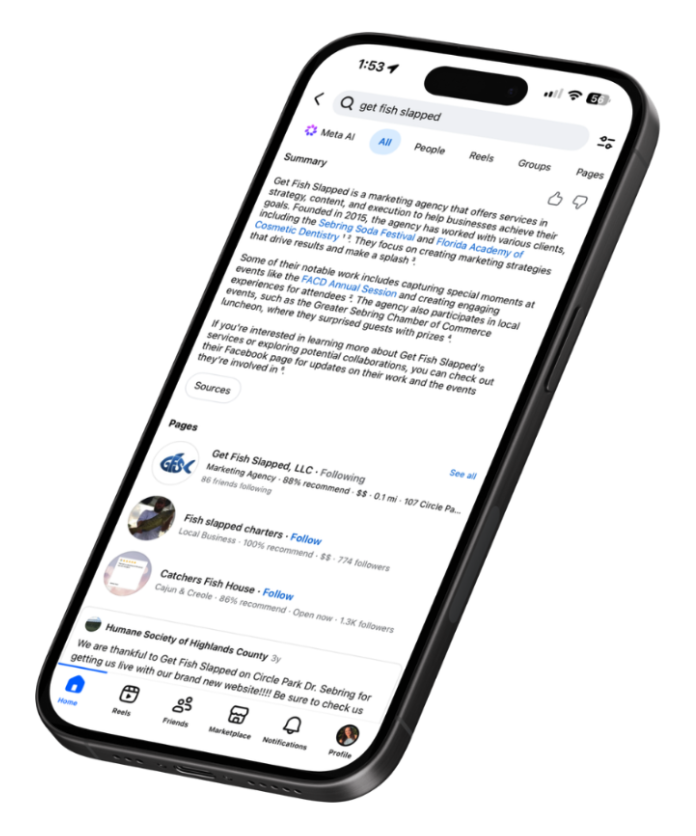
Search Has Changed
Think about the last time you were looking for a new restaurant, a vacation destination, or even a local business. There's a good chance you didn't start with Google. You may have searched Instagram to see photos, watched TikTok videos for honest reviews, or asked for recommendations in a Facebook group. People want more than a list of websites. They want to see real experiences from real people before making a decision.
This shift isn't just happening with younger audiences, either. Consumers of all ages are becoming more comfortable using social media as a discovery tool because it feels more authentic. Instead of reading what a business says about itself, they can see customer experiences, browse recent photos, and watch videos that give them a better sense of what to expect.
Why the Platforms Are Investing in Search
The major social platforms have recognized this change, which is why they've invested heavily in improving their search capabilities. Instagram now allows users to search by keywords instead of relying solely on hashtags. TikTok has become one of the internet's go-to places for tutorials, travel ideas, product recommendations, and local discoveries. Pinterest continues to help users plan everything from home renovations to weddings, while Facebook highlights businesses, events, and community conversations based on what people are searching for nearby.
The goal is simple: every platform wants to keep users engaged for as long as possible. If they can answer someone's question without sending them somewhere else, they're creating a better experience for users while giving businesses more opportunities to be discovered.
What This Means for Your Business
For business owners, this changes the role social media plays in a marketing strategy. Your social profiles are no longer just a place to post occasional updates or share company news. They have become searchable resources that can introduce your business to someone who has never heard of you before.
That means every post should have a purpose beyond simply filling the content calendar. Educational videos, frequently asked questions, customer success stories, behind-the-scenes content, and posts that clearly explain your services all have the potential to be discovered long after they're published. Writing descriptive captions, using location tags when appropriate, and keeping your business information current all help increase your visibility as social platforms continue to prioritize search.
Think Like Your Customer
When someone searches for your business category, ask yourself what they would hope to find. Would they see helpful videos answering common questions? Recent photos of your team and your work? Customer testimonials? Or would they find an account that hasn't been updated in months?
The businesses that stand out aren't necessarily posting every day. They're consistently creating content that helps people make informed decisions. Every question you answer, every project you showcase, and every piece of educational content you publish becomes another opportunity for someone to discover your business.
It's Not Google vs. Social Media
This doesn't mean Google is becoming less important. Your website, Google Business Profile, and search engine optimization still play a critical role in helping customers find you online. What has changed is the customer journey itself.
Someone may first discover your business through Instagram, check your Google reviews, visit your website, watch another video on TikTok, and then send you a message on Facebook before deciding to become a customer. Every platform contributes to that decision, and each one helps build trust along the way.
The Bottom Line
Rather than thinking of social media as separate from search, it's more accurate to think of it as an extension of it. Businesses that create helpful, relevant content across multiple platforms are giving themselves more opportunities to be discovered wherever their audience chooses to search.
The next time you're planning content, don't just ask yourself what you want to post. Instead, ask what your customers are already looking for. If your content answers those questions, there's a much better chance it will be found, shared, and remembered.
Need help creating content that works beyond the scroll? At Get Fish Slapped, we help businesses create content that's designed to be discovered, build trust, and connect with the people who are already searching for what they offer.